
Preventive Care Isn’t A Twice-A-Year Appointment
Preventive Care Isn’t A Twice-A-Year Appointment.
Your dentist cleans up what plaque leaves behind. Preventing it in the first place happens at home — every single day.
A dental visit doesn’t prevent anything — it cleans up what already happened. Plaque left undisturbed hardens into tartar within as little as 24 to 72 hours, and tartar can only be removed with professional tools. That’s the entire job of your twice-a-year cleaning: catching what got missed. The real prevention window is every day in between. Two things make that window harder than it should be: processed foods leave a residue that feeds the bacteria producing plaque’s acid, and many common medications reduce saliva flow, removing one of your mouth’s natural defenses. On a diet of true whole foods, plaque has very little to work with. That’s not a realistic ask for most people every day — but it’s the honest starting point before anything else on this list.
01 — Cavities
Cavities
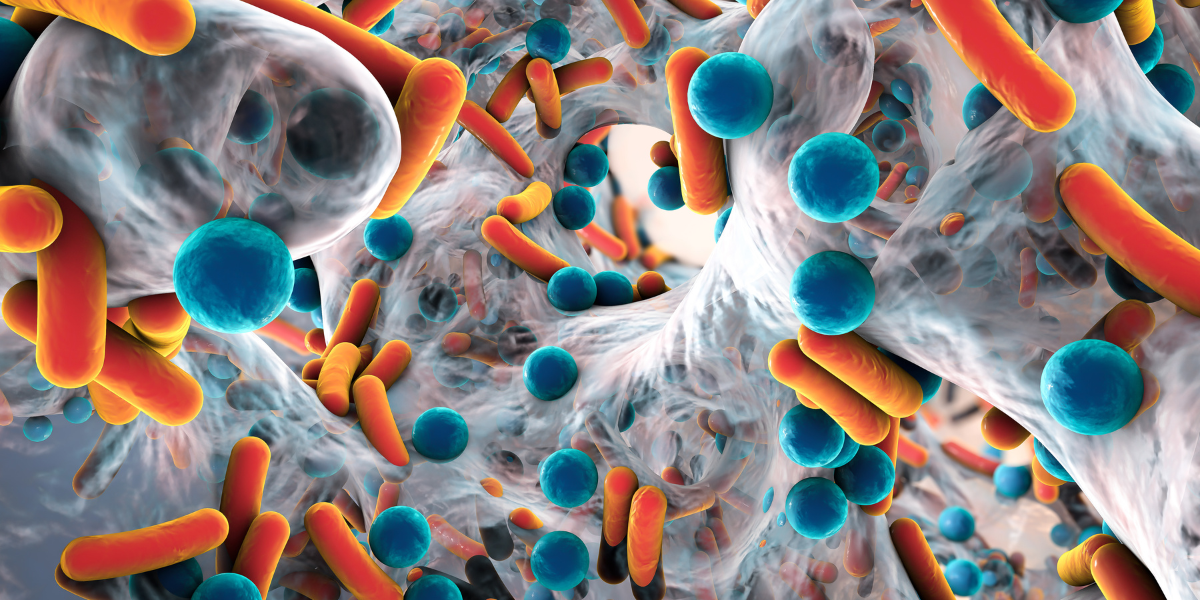
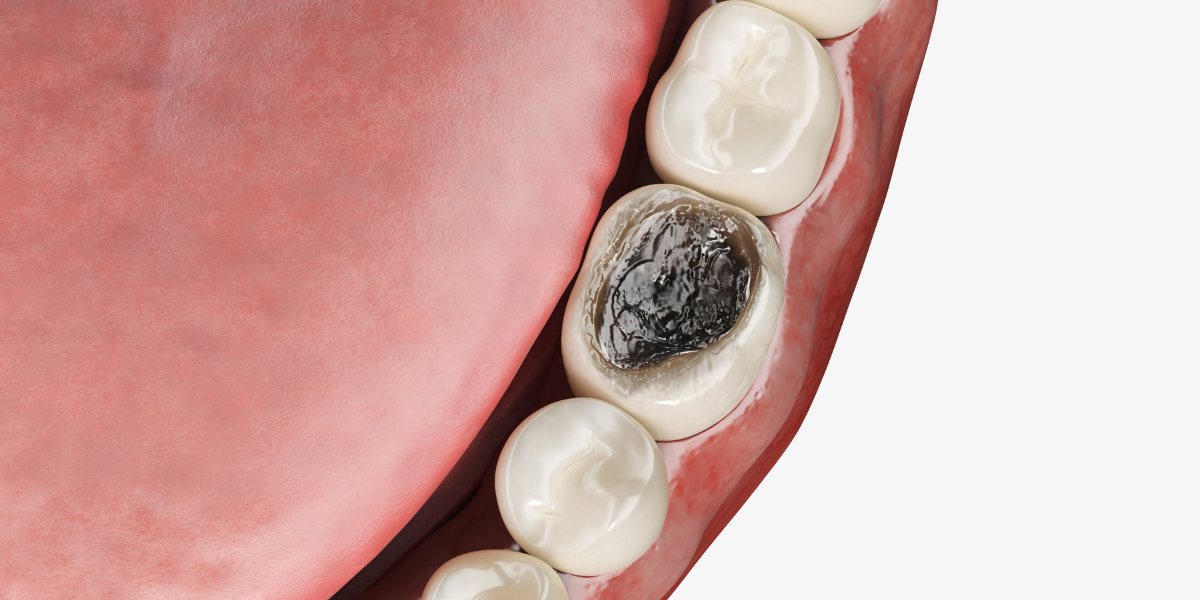
Cavities form when the acid byproduct of bacteria feeding on food residue — especially refined sugar and processed carbs — dissolves enamel faster than saliva can repair it. The bacteria aren’t the root problem; what you’re feeding them is. Daily brushing physically disrupts that acid-producing layer before it can do damage.

02 — Periodontal Disease
Periodontal Disease
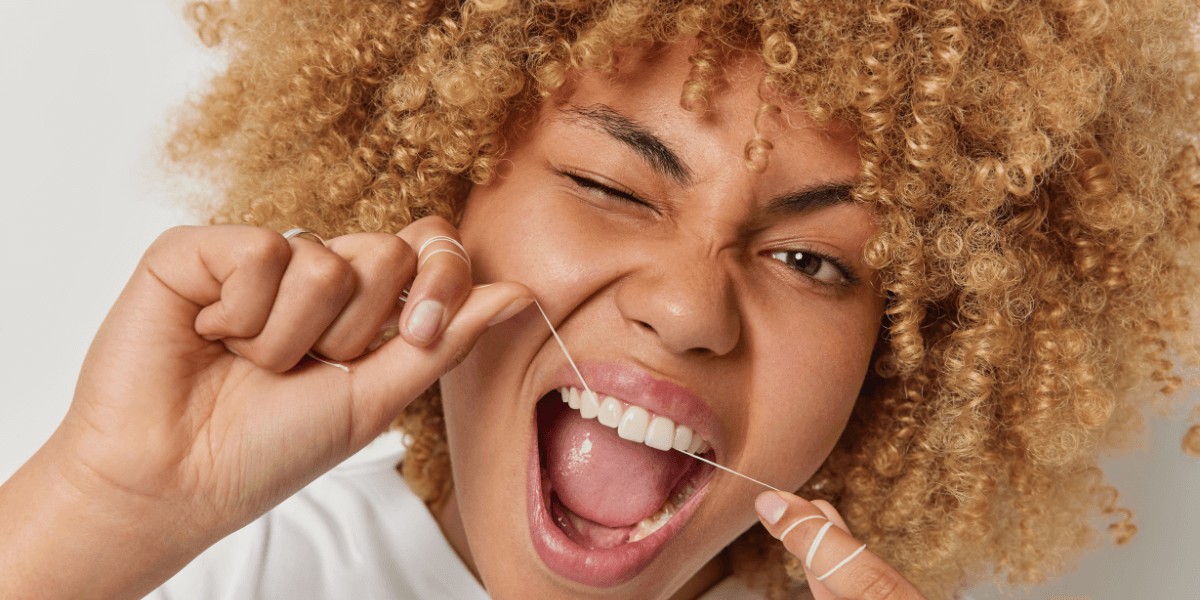
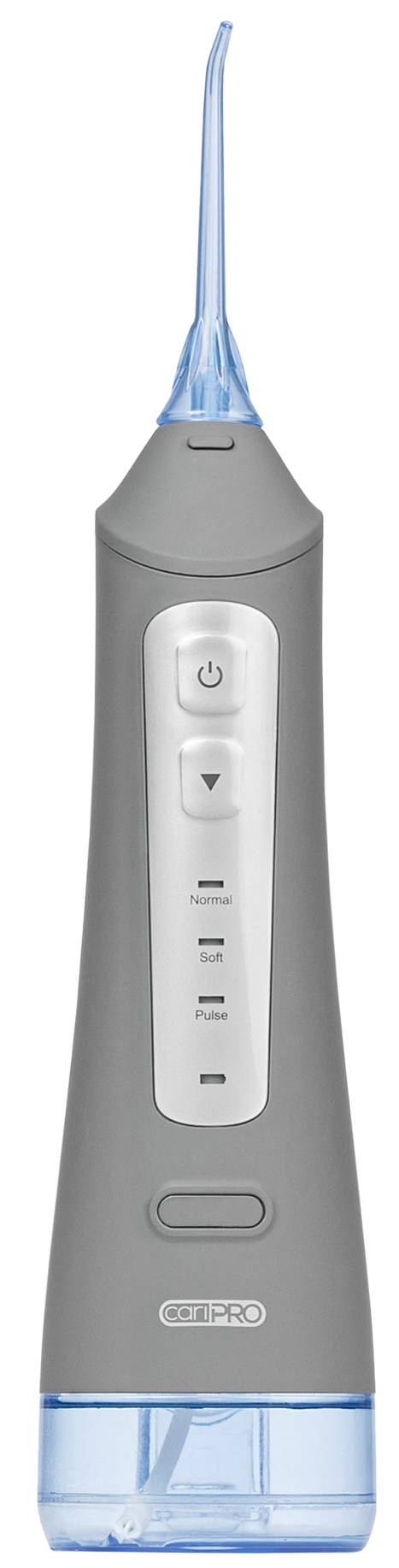
Gum disease doesn’t start at the gumline you can see — it starts just below it, where plaque left undisturbed calcifies into tartar and the bacteria trapped underneath trigger chronic inflammation. Flossing is the only routine tool that reaches that zone before a dental instrument has to.
03 — Bad Breath
Bad Breath
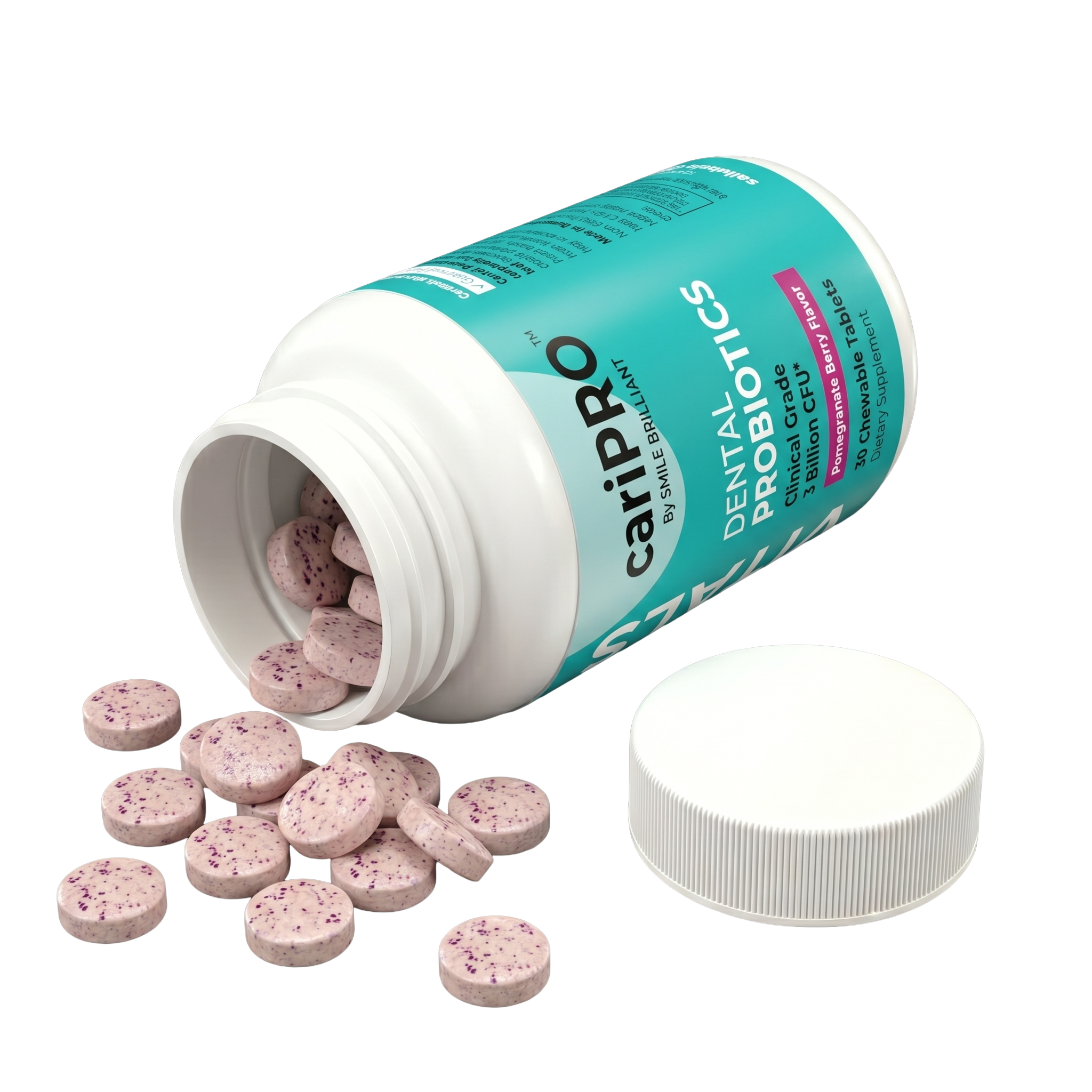
Most chronic bad breath doesn’t come from what you ate this morning — it comes from bacteria living on the back of the tongue and a mouth that isn’t producing enough saliva to rinse them out, often a medication side effect. Rebalancing what’s actually growing in your mouth addresses the source, not just the smell.
04 — Cracked Teeth / Worn Enamel
Cracked Teeth & Worn Enamel
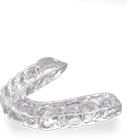
Enamel wear has two separate causes that get lumped together: acid erosion from diet, and mechanical wear from nighttime grinding — a stress response most people don’t know they have until a dentist points out the flat spots or a cracked cusp. One of those is fixed at the table. The other needs a barrier while you sleep.
Prevention doesn’t happen twice a year. It happens tonight.
RELATED ARTICLES